
💡 本文重點導覽
- The neuroscience: how comfort food hijacks the reward circuit
- Food addiction: a real neurological phenomenon
- Blood sugar instability as an emotional eating amplifier
- Dietary approaches to reduce emotional eating
- 📚 科學觀點與參考來源
📋 本文重點摘要
Emotional eating is a learned brain-body response. Learn how dopamine, cortisol, and blood sugar instability create cravings and how to interrupt them.
Emotional eating is a learned brain-body response.
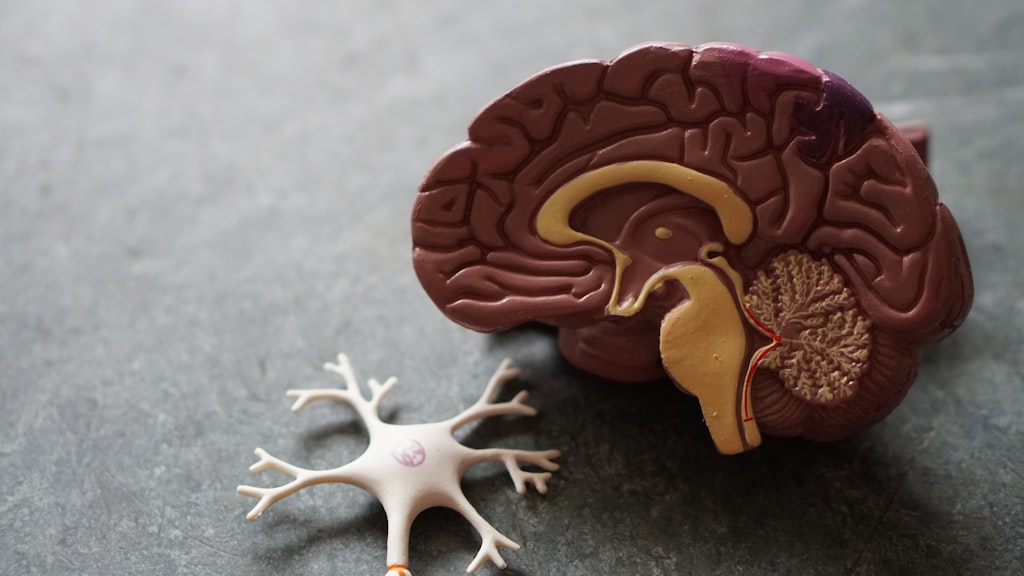
Emotional eating is not a character flaw. It is a learned neurological response — the brain applying a solution (high-sugar, high-fat food) that reliably produces short-term relief from stress or negative emotion. Understanding the mechanism makes it possible to interrupt the cycle more effectively than willpower alone.
The neuroscience: how comfort food hijacks the reward circuit
When stress activates the HPA axis (hypothalamic-pituitary-adrenal), cortisol rises. Cortisol does two things relevant here: it increases cravings for high-calorie foods, and it impairs prefrontal cortex function — the brain region responsible for impulse regulation. The result is simultaneously stronger food urges and weaker resistance to them.
Eating high-sugar, high-fat foods triggers a dopamine spike in the nucleus accumbens and releases β-endorphins with mild analgesic effects. The brain records the sequence — stress → comfort food → relief — and strengthens the neural pathway. Over repeated cycles, the association becomes automatic. A 2011 study in Nature Neuroscience showed that brain imaging patterns for highly palatable food cravings closely resemble those for drug addiction.
Food addiction: a real neurological phenomenon
The Yale Food Addiction Scale (YFAS) estimates that 14–20% of adults meet clinical criteria for food addiction — rising to 25–35% in obese populations. Ultra-processed food consumption progressively reduces dopamine receptor sensitivity, requiring more stimulation to achieve the same reward response. This is the core mechanism of addiction: tolerance building.
The initial days of reducing sugar intake can produce withdrawal-like symptoms: headaches, fatigue, irritability. These typically resolve within 3–7 days, and can be eased by maintaining blood sugar stability through adequate protein and fiber at each meal.
Blood sugar instability as an emotional eating amplifier
The foods most commonly associated with emotional eating — chocolate, cookies, chips, ice cream — are also the foods that cause the largest blood sugar spikes. Post-spike insulin drops create blood sugar troughs that trigger anxiety, irritability, and intense hunger — which then trigger another round of emotional eating. Stabilizing blood sugar through dietary structure is one of the most practical ways to reduce the physiological component of emotional eating urges without requiring direct willpower confrontation.
Dietary approaches to reduce emotional eating
Blood sugar stabilization is foundational: low-glycemic meals with adequate protein and fiber reduce the frequency and intensity of hunger-driven food urges. Nutrients that support serotonin synthesis — tryptophan (pumpkin seeds, fish, turkey), magnesium (dark leafy greens, nuts), and B6 (salmon, chickpeas) — may reduce mood-related cravings. For severe emotional eating that affects quality of life, cognitive behavioral therapy (CBT) and dialectical behavior therapy (DBT) have strong clinical evidence and work well alongside dietary changes.
For personalized dietary guidance on metabolic health, visit cnfcd.life or reach out for an initial consultation.
— Hsien-Hung Shih | ResetWith Health Coach | cnfcd.life
📚 科學觀點與參考來源
- Hall KD, Kahan S. Maintenance of Lost Weight and Long-Term Management of Obesity. Med Clin North Am. 2018. PubMed →
- Grundy SM, et al. Diagnosis and Management of the Metabolic Syndrome. Circulation. 2005. PubMed →
本文涉及的科學觀點僅供參考,不構成醫療建議。如有相關健康問題,請諮詢合格醫療專業人員。
ResetWith 顧問團隊
CNFCD® 個人化代謝健康系統 | 微康公司
本文由 ResetWith 顧問團隊根據科學文獻與超過 16 萬筆台灣真實個案數據撰寫。所有內容以 CNFCD® 方法論為基礎,供健康參考使用。
發布:2026年5月1日 最後更新:2026年5月30日
Recommended next reads
Author, Review, and Health Content Note
Publisher: ResetWith consulting team. Principal consultant: Pangpang / Sean Shih. Last updated: 2026-05-30.
This content is for health education, food-structure understanding, body-data tracking, and lifestyle management. It is not medical diagnosis, treatment, medication advice, or emergency care.
Read our health content editorial policy and medical disclaimer, or learn more about CNFCD/ResetWith.