
💡 本文重點導覽
- The cortisol-hunger chain
- Why stress disables dietary control
- How dietary structure reduces stress-eating intensity
📋 本文重點摘要
Stress eating is a cortisol and blood-sugar cascade. Learn why cravings intensify under stress and how meal structure can reduce the pull.
Stress eating is a cortisol and blood-sugar cascade.
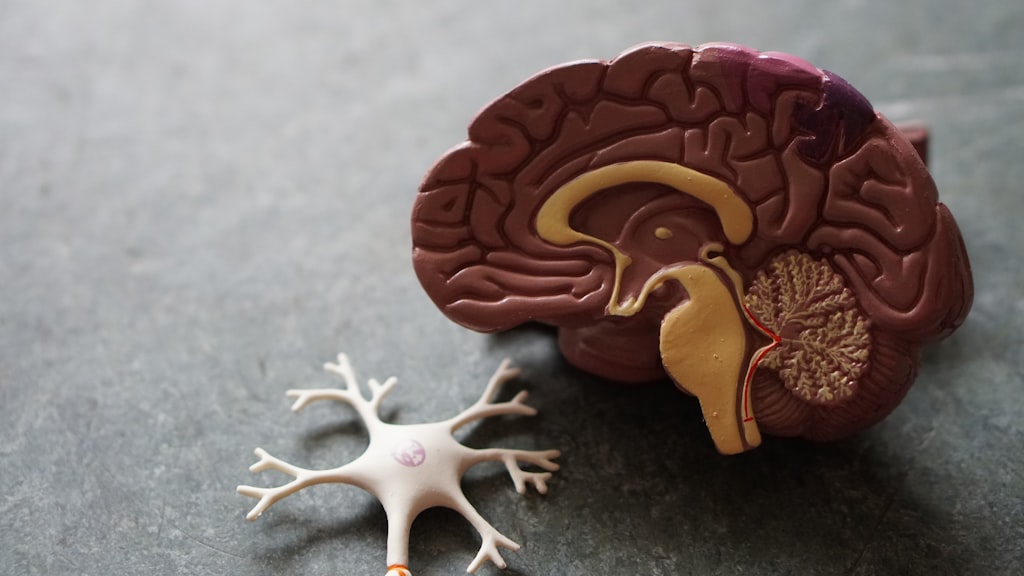
Stress-driven eating isn’t weak willpower. It’s a metabolic cascade: cortisol destabilizes blood sugar, the brain enters high-energy-demand mode, cravings for high-calorie food intensify, and the prefrontal cortex — the part responsible for rational decisions — goes partially offline. Your body is genuinely signaling distress. Understanding the mechanism changes how you respond to it.
The cortisol-hunger chain
Stress activates the adrenal glands, which release cortisol. Cortisol’s original function: mobilize glucose rapidly for physical threat response. Modern stress — deadlines, criticism, conflict — doesn’t require physical energy, but the cortisol response fires anyway. The liver releases glucose; blood sugar rises, then drops; the brain calls for more fuel. This cycle runs as long as the stressor does.
Simultaneously, cortisol amplifies the brain’s reward response to high-fat, high-sugar foods. The craving isn’t random — it’s targeted at the exact foods that would refuel a body under physical threat. The evolutionary logic is coherent; the contemporary mismatch is the problem.
Why stress disables dietary control
Prefrontal cortex goes offline. Research shows cortisol elevation reduces prefrontal cortex activity — the brain region governing impulse control and rational decision-making. You know you shouldn’t eat the thing. You do it anyway. This is neurobiology, not character.
Blood sugar becomes more volatile. Cortisol directly affects glucose regulation, amplifying peaks and deepening crashes. Each crash sends a stronger hunger signal than the last.
How dietary structure reduces stress-eating intensity
CNFCD is a science-based dietary coaching method developed by Weikang. Hsien-Hung Shih (ResetWith) provides dietary consultation using this method. Two dietary mechanisms reduce stress-eating frequency: stabilizing blood sugar reduces the baseline “energy emergency” signal that cortisol amplifies; sufficient protein and quality fats extend inter-meal satiety, reducing the number of blood sugar dips that coincide with stress peaks.
Dietary structure adjustment reduces the physiological intensity of cravings. It doesn’t eliminate stress — stress management (sleep, movement, mindfulness) addresses the cortisol source directly. Both matter.
FAQ
What should I eat when stress hits and I have to eat something?
Choose protein sources (eggs, nuts, cheese) or low-glycemic carbs rather than refined sweets. High-sugar foods spike blood sugar then drop it hard — under cortisol influence, the subsequent crash is steeper, and the next craving stronger. You’re setting up a worse cycle.
Does poor sleep worsen stress eating?
Significantly. Sleep deprivation elevates daytime cortisol, reduces leptin (satiety hormone), and raises ghrelin (hunger hormone) — three mechanisms stacking in the same direction. Sleep is the most underutilized tool for managing stress-driven eating.
Is stress eating a psychological problem — can dietary adjustment actually help?
Both dimensions exist. Dietary structure works on the physiological end: less blood sugar volatility means fewer biological triggers for cravings. Deep emotional eating patterns may benefit from psychological support in addition. CNFCD addresses the metabolic environment, reducing craving intensity so rational choices become easier to act on.
CNFCD provides dietary and lifestyle guidance only. It does not replace medical diagnosis or treatment. Please consult your physician if you have health concerns.
👉 Stress affecting your dietary choices? Reach out to understand how metabolic structure can reduce craving intensity.
— Hsien-Hung Shih | ResetWith Health Coach | cnfcd.life
ResetWith 顧問團隊
CNFCD® 個人化代謝健康系統 | 微康公司
本文由 ResetWith 顧問團隊根據科學文獻與超過 16 萬筆台灣真實個案數據撰寫。所有內容以 CNFCD® 方法論為基礎,供健康參考使用。
發布:2026年5月10日 最後更新:2026年5月30日
Recommended next reads
Author, Review, and Health Content Note
Publisher: ResetWith consulting team. Principal consultant: Pangpang / Sean Shih. Last updated: 2026-05-30.
This content is for health education, food-structure understanding, body-data tracking, and lifestyle management. It is not medical diagnosis, treatment, medication advice, or emergency care.
Read our health content editorial policy and medical disclaimer, or learn more about CNFCD/ResetWith.