
💡 本文重點導覽
- Being Overweight Isn’t Wrong—So Why Does It Make People Afraid to Hold Their Heads High?
- 💭 自信是怎麼一點一點被吞掉的?
- 🌱 你不需要改變自己去取悅誰
- 📚 科學觀點與參考來源
📋 本文重點摘要
Being overweight is not a moral failure. This article explains how social judgment turns body weight into self-doubt and how to rebuild trust.
Being overweight is not a moral failure.
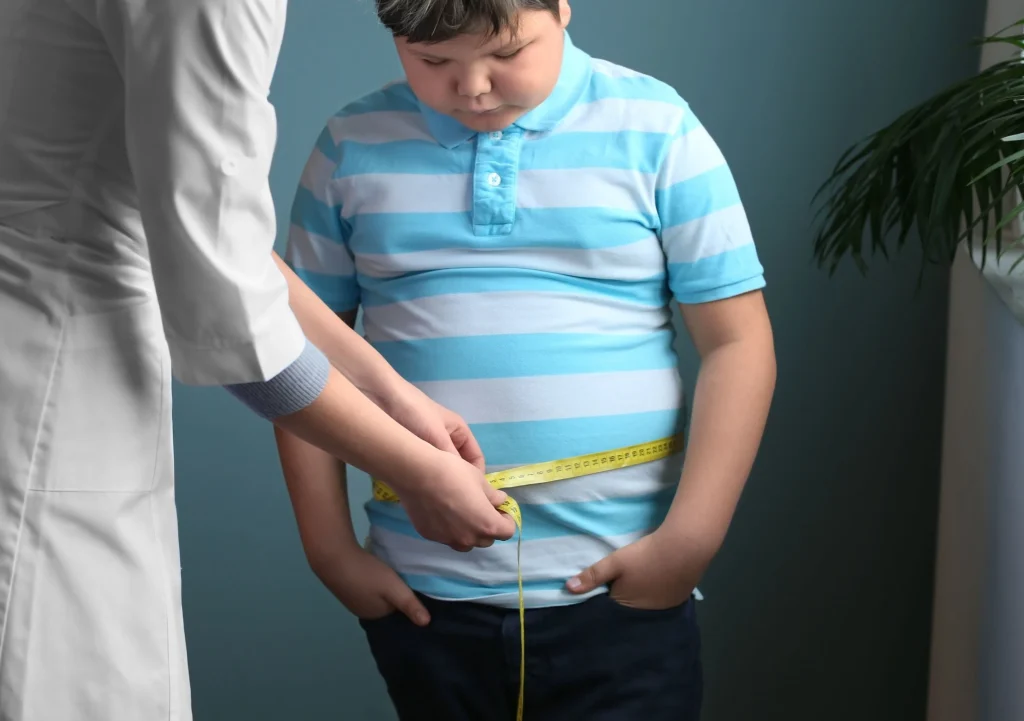
Being Overweight Isn’t Wrong—So Why Does It Make People Afraid to Hold Their Heads High?
Sometimes, we think we’re “just overweight,” but in reality, physical weight also becomes emotional weight. It’s not that being overweight is wrong—it’s the weight of social judgment that slowly teaches people to lower their voices, avoid the camera, and doubt themselves.

▲ Sometimes, what you really dislike isn’t being overweight—it’s the feeling of not being liked.
Many people say, “If you’re overweight, just exercise,” or “You’re simply eating too much.”
But what they don’t see is that some people aren’t lacking effort—it’s the loneliness of not being understood that holds them back the most.
💭 自信是怎麼一點一點被吞掉的?
The American journal “Obesity Reviews” pointed out that obesity brings not only physical changes but also “social stigma” and psychological pressure. A person who is overweight may be perceived as lazy, lacking self-discipline, and unattractive. Over time, they may even begin to doubt whether “I am really not good enough.
But none of this is your fault. This world is too loud, making you forget that you already have value. What I want to remind you is: confidence is not something you gain only after losing weight; it begins the moment you start to see yourself again.

▲ One day you will realize that it’s not being thin that makes you happy, but rather that you start to like the person you are now.
🌱 你不需要改變自己去取悅誰
Some people lose weight not for others, but to tell themselves: “I want to live with more strength and no longer fear standing in the light.” True change does not start with dieting, but with that sentence:
I don’t want to become the person others like, but rather return to the person I like.
So dear, if you too have walked through those days of doubt, pain, and body hatred, let us gently tell ourselves: I am not wrong; I am reclaiming myself.

▲ When you begin to respect your body, your body responds in return.
📚 Source:
Puhl, R. M., & Heuer, C. A. (2009). The stigma of obesity: A review and update. Obesity Reviews.
Related Articles
- From Self-Sacrifice to Becoming the True Lead of Her Life
- From a LoL Champion to a Life Turnaround
- 內臟脂肪才是真正的殺手:肥胖不只是外表問題
Ready to start your metabolic repair journey?
📚 科學觀點與參考來源
- Hall KD, Kahan S. Maintenance of Lost Weight and Long-Term Management of Obesity. Med Clin North Am. 2018. PubMed →
- Grundy SM, et al. Diagnosis and Management of the Metabolic Syndrome. Circulation. 2005. PubMed →
本文涉及的科學觀點僅供參考,不構成醫療建議。如有相關健康問題,請諮詢合格醫療專業人員。
ResetWith 顧問團隊
CNFCD® 個人化代謝健康系統 | 微康公司
本文由 ResetWith 顧問團隊根據科學文獻與超過 16 萬筆台灣真實個案數據撰寫。所有內容以 CNFCD® 方法論為基礎,供健康參考使用。
發布:2025年12月26日 最後更新:2026年7月14日
Recommended next reads
Author, Review, and Health Content Note
Publisher: ResetWith consulting team. Principal consultant: Pangpang / Sean Shih. Last updated: 2026-07-14.
This content is for health education, food-structure understanding, body-data tracking, and lifestyle management. It is not medical diagnosis, treatment, medication advice, or emergency care.
Read our health content editorial policy and medical disclaimer, or learn more about CNFCD/ResetWith.