Testosterone levels in men have declined 20–30% across generations. Below-optimal testosterone worsens insulin resistance, promotes visceral fat accumulation, reduces muscle mass, and impairs cardiovascular function — creating a metabolic crisis often attributed simply to 'aging.'
Traditional Chinese Medicine's phlegm-dampness constitution shares striking characteristics with modern metabolic syndrome — abdominal accumulation, fluid retention, fatigue, and digestive sluggishness. This article explores the overlap and what it means for integrated health approaches.
Taiwan's beloved breakfast culture and night market staples contain dietary patterns that spike blood sugar, impair metabolic health, and drive insulin resistance — but simple swaps and awareness make a meaningful difference.
Cortisol doesn't just make you hungry — it specifically targets visceral adipose tissue for fat deposition through glucocorticoid receptor activation. This article explains the mechanism behind stress belly fat and what dietary changes reduce cortisol-driven accumulation.
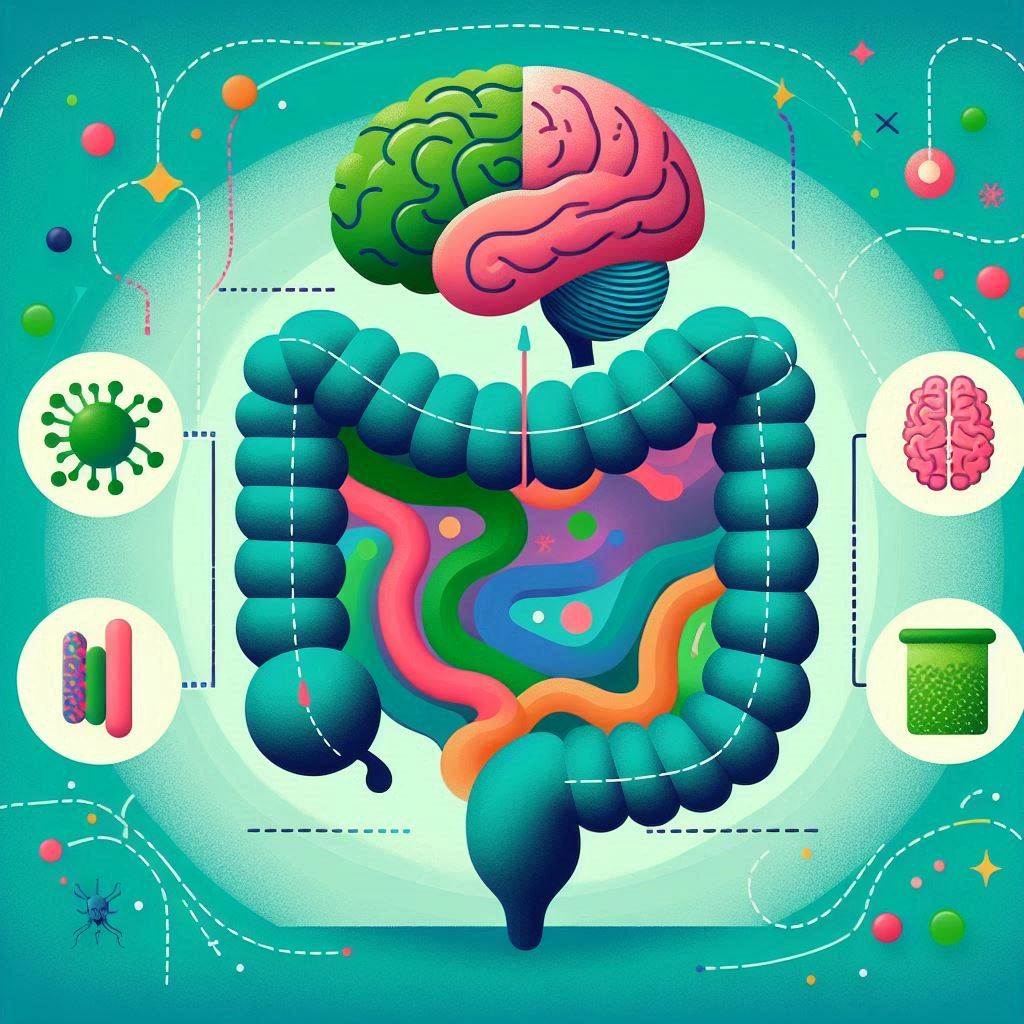
SIBO — bacterial overgrowth in the small intestine — produces bloating, IBS-like symptoms, and metabolic dysfunction through impaired absorption, increased intestinal permeability, and systemic inflammatory signaling. This article explains the mechanism and the dietary approaches with evidence.
Protein quality varies dramatically by amino acid composition and digestibility. Leucine — the essential amino acid that triggers muscle protein synthesis through mTOR — must reach a threshold (≈3g per meal) for maximum anabolic effect. This article explains why protein quality and distribution matter as much as total intake.
Taiwan's office culture — 8+ hours seated, high-stress, processed food-reliant — is metabolically damaging in ways that extend beyond simple calorie excess. This article explains the specific metabolic mechanisms of sedentary culture and what dietary and behavioral adjustments make the biggest difference.
Excess fat doesn't just accumulate under the skin — it wraps around and infiltrates the liver, heart, kidneys, and blood vessels, causing progressive functional impairment through inflammatory and mechanical mechanisms.
Mitochondria produce 95% of cellular energy (ATP) and regulate fat oxidation, cell signaling, and apoptosis. Their progressive dysfunction with aging and metabolic disease underlies the fatigue, insulin resistance, and organ deterioration that characterize chronic metabolic conditions.