Hashimoto's thyroiditis is the most common cause of hypothyroidism — driven by autoimmune destruction of thyroid tissue. It is strongly associated with insulin resistance and metabolic syndrome through shared inflammatory mechanisms, and dietary approaches address both simultaneously.
Effective dietary management of hypertension requires addressing multiple mechanisms — sodium-potassium balance, insulin resistance, fructose metabolism, gut microbiome, and omega-3 status — not just sodium restriction alone.
The liver receives blood directly from the gut via the portal vein — making it the first organ exposed to gut-derived bacterial products. Gut dysbiosis and leaky gut drive liver inflammation, fatty liver disease, and cirrhosis through this anatomical connection.
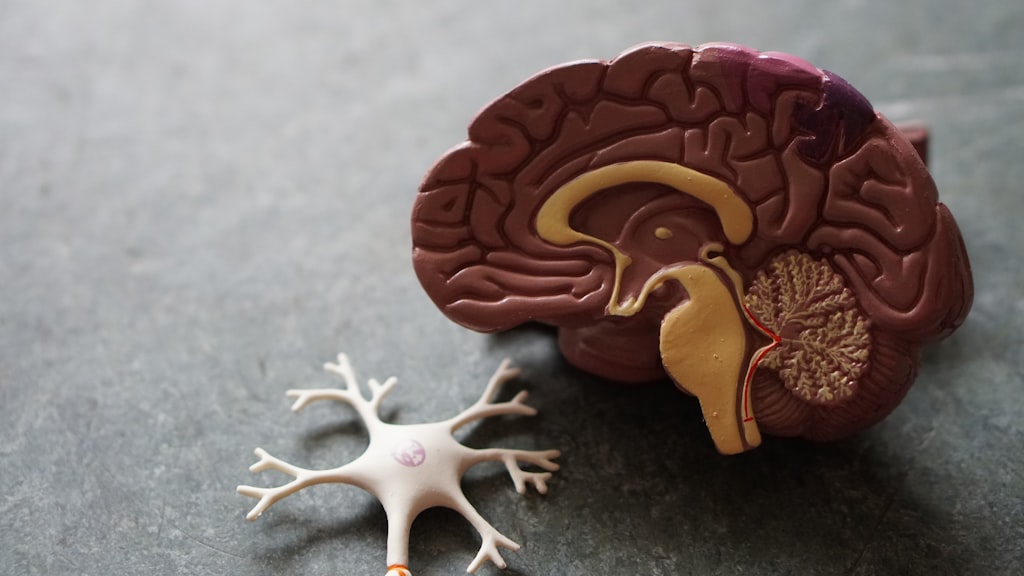
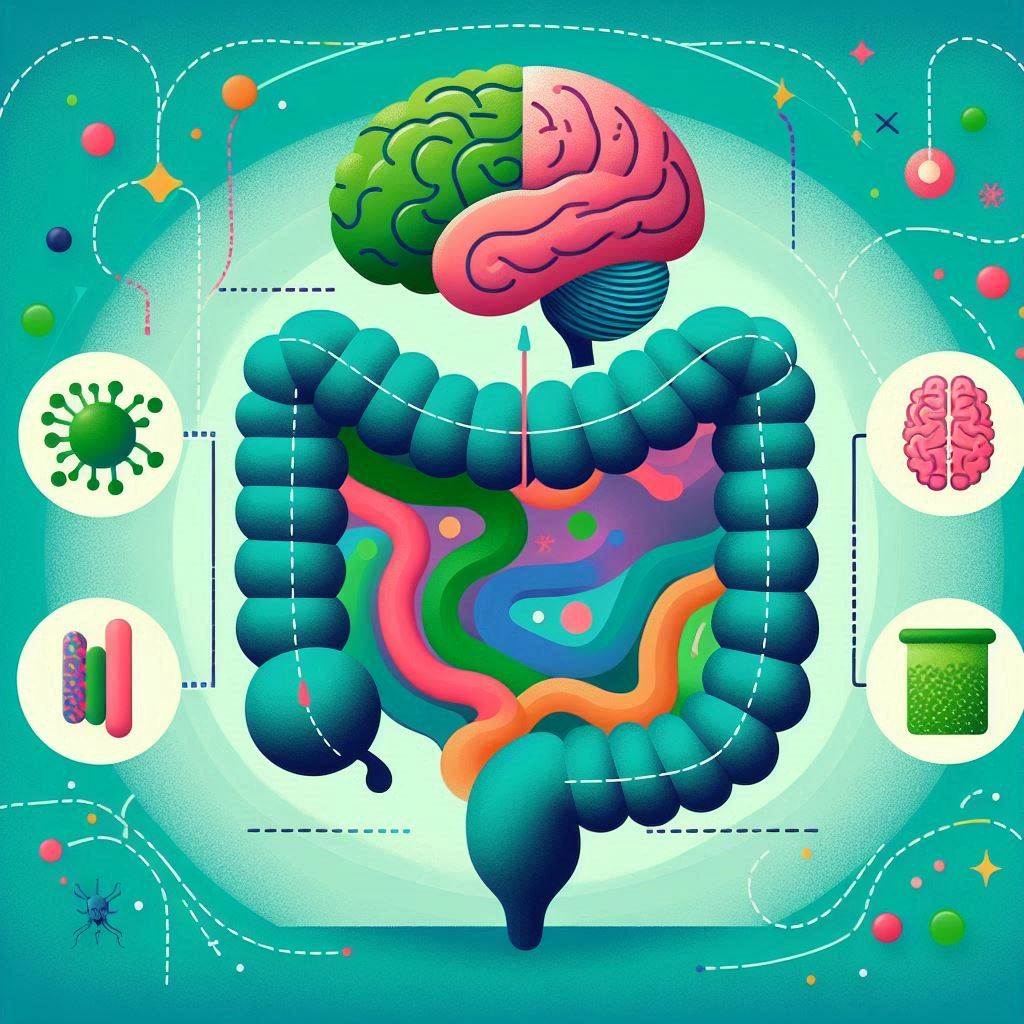
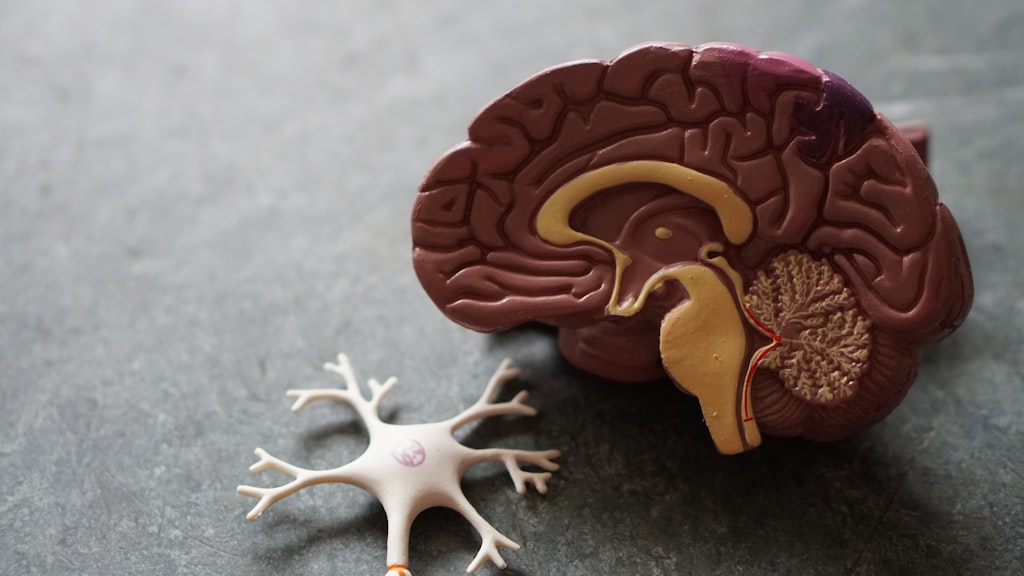
The gut and brain communicate through the vagus nerve, hormonal signals, and gut-derived neurotransmitters — forming a bidirectional axis that shapes appetite, food preferences, mood, and metabolic health in ways we are only beginning to fully understand.
GLP-1 receptor agonists produce dramatic weight loss — but carry significant risks including lean mass loss and rapid weight regain after stopping. This article gives a comprehensive look at the mechanism, the risks, and the unanswered questions.
The eye is uniquely transparent to metabolic disease — blood vessels in the retina are directly visible without surgery, making eye examination one of the most useful windows into systemic metabolic health. This article explains the connection.
Four of the most common eye conditions — myopia, dry eye syndrome, vitreous floaters, and cataracts — each have metabolic and dietary dimensions that conventional eye care often overlooks. This article explains the connections.
Exercise is one of the most potent interventions for insulin resistance — acting through mechanisms distinct from and additive to dietary changes. This article explains how HIIT and resistance training improve metabolic function at the cellular level.
Three serious eye conditions — glaucoma, age-related macular degeneration, and diabetic retinopathy — share common metabolic drivers: oxidative stress, vascular dysfunction, and chronic inflammation. This article explains the links and the dietary approaches with evidence.