Adverse childhood experiences (ACEs) reprogram the HPA axis, epigenome, and immune system in ways that increase lifetime risk of metabolic syndrome, diabetes, and cardiovascular disease — independent of adult lifestyle factors.
CGM technology reveals real-time blood sugar patterns that fasting glucose tests miss — including post-meal spikes, reactive hypoglycemia, and dawn phenomenon. This article explains how CGM insights are changing our understanding of metabolic health in non-diabetic populations.
Brown fat (BAT) burns calories to generate heat rather than storing them. In adults, active BAT deposits exist but decline with obesity and aging. This article explains BAT biology, what suppresses it, and how dietary and environmental factors influence its activity.
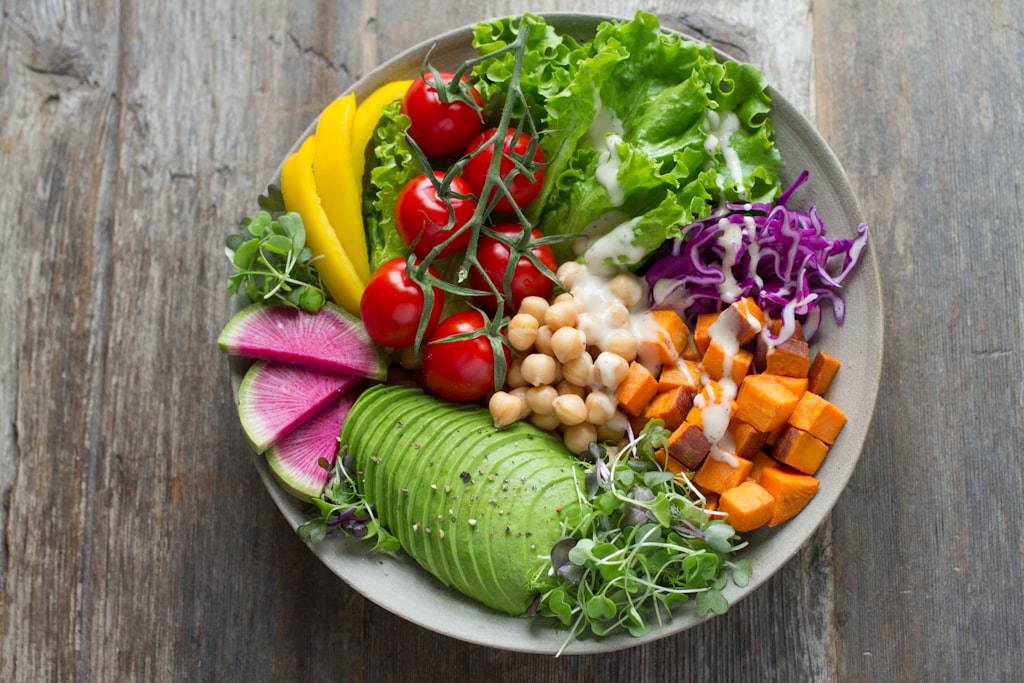
GI and glycemic load are practical tools for managing blood sugar — but their real-world application is more nuanced than simple rankings suggest. This guide covers common Taiwanese foods and the rules that matter most in daily eating.
ApoB (apolipoprotein B) counts LDL particles directly, making it a far better cardiovascular risk predictor than LDL cholesterol — especially in people with insulin resistance and the atherogenic dyslipidemia pattern.
Artificial sweeteners disrupt gut microbiome composition, impair glucose regulation, and alter appetite signaling — potentially worsening metabolic health despite delivering zero calories.
Each alcoholic drink leaves a specific metabolic imprint — disrupting liver fat metabolism, gut barrier integrity, cortisol regulation, and sleep architecture.
Cellular senescence — where damaged cells stop dividing but remain metabolically active, secreting inflammatory signals — is a driver of aging and age-related disease. Senolytic compounds that clear these cells are showing early clinical promise. This article reviews the biology and evidence.
Telomeres — the protective caps on chromosomes — shorten with each cell division and with oxidative stress and inflammation. Diet influences telomere attrition rate. This article examines the evidence linking dietary patterns to telomere biology and biological aging.