Sarcopenic obesity — the combination of low muscle mass and excess fat — is the most metabolically dangerous body composition pattern. This article explains why the combination carries risks far greater than either condition alone and what dietary approach addresses both simultaneously.
GLP-1 (glucagon-like peptide 1) is a gut hormone that suppresses appetite, stimulates insulin secretion, and slows gastric emptying. Specific foods and dietary patterns stimulate GLP-1 release naturally — potentially providing some of the same benefits as GLP-1 receptor agonist drugs without the medication.
Intermittent fasting has plausible mechanisms for improving insulin sensitivity, but trial results are mixed, and studies have raised questions about lean-mass loss and a possible cardiovascular-mortality signal. This article reviews the current evidence.
Higher ultra-processed food intake is associated with higher risks of type 2 diabetes, cardiovascular disease, and all-cause mortality in large prospective cohort studies, and with obesity in observational studies. This article summarizes the evidence and explains the mechanisms.
Polyphenols — plant-derived compounds including flavonoids, resveratrol, quercetin, and curcumin — have demonstrated anti-inflammatory, insulin-sensitizing, and gut microbiome-supporting effects in clinical research. This article summarizes the evidence and food sources.
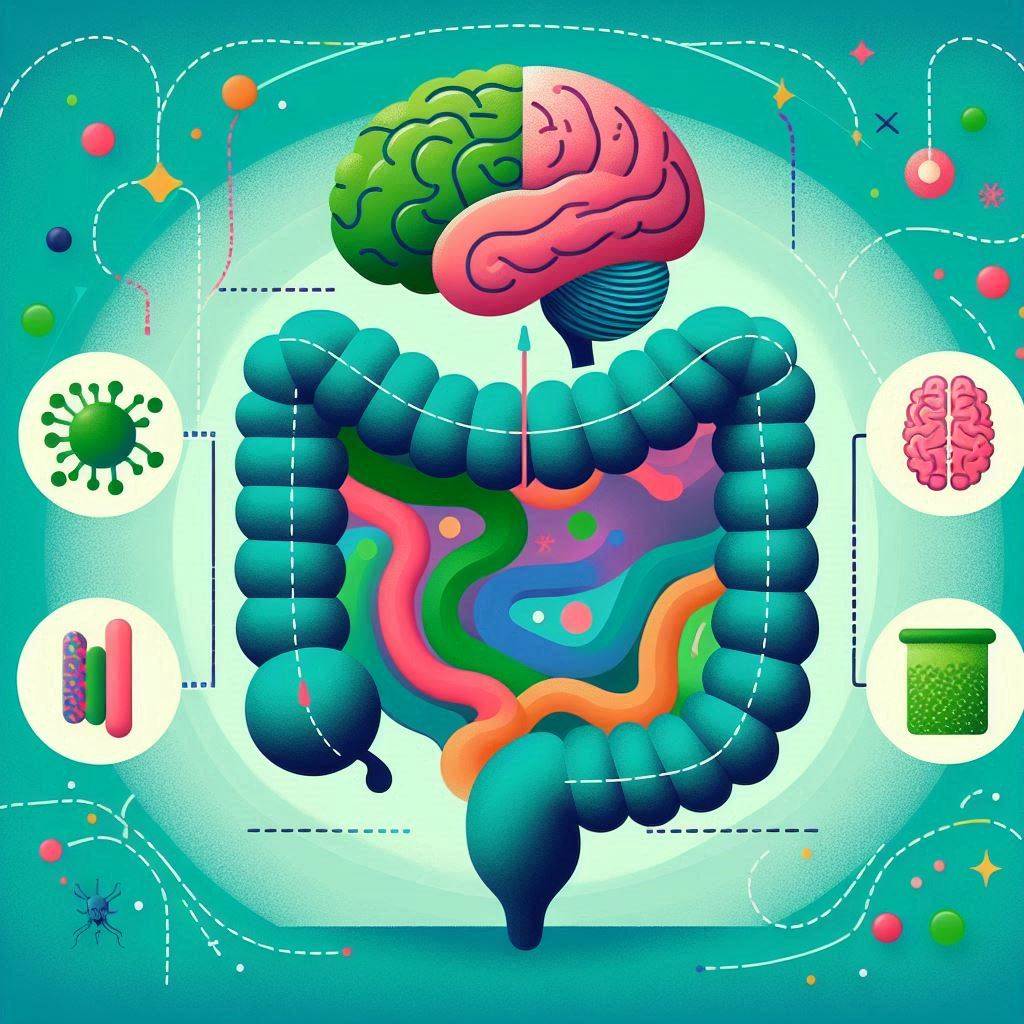
Dietary fiber is fermented by gut bacteria into short-chain fatty acids (SCFAs) — particularly butyrate, propionate, and acetate — that regulate metabolism, appetite, insulin sensitivity, and inflammation. This article explains the fiber-microbiome-SCFA axis and why it matters.
Vitamin D deficiency is twice as prevalent in obese individuals as in lean individuals — and emerging evidence suggests that low vitamin D status independently contributes to insulin resistance, visceral fat accumulation, and metabolic syndrome risk.
Zinc deficiency is significantly more common in people with obesity — partly because obesity drives zinc loss, and partly because zinc deficiency worsens the metabolic dysfunction that promotes obesity. This bidirectional relationship makes zinc status an important consideration in metabolic health.
Magnesium participates in over 300 enzymatic reactions, including every ATP-producing reaction and insulin receptor signaling. Deficiency — affecting an estimated 60–70% of modern adults — impairs glucose metabolism, promotes insulin resistance, and raises cardiovascular risk.