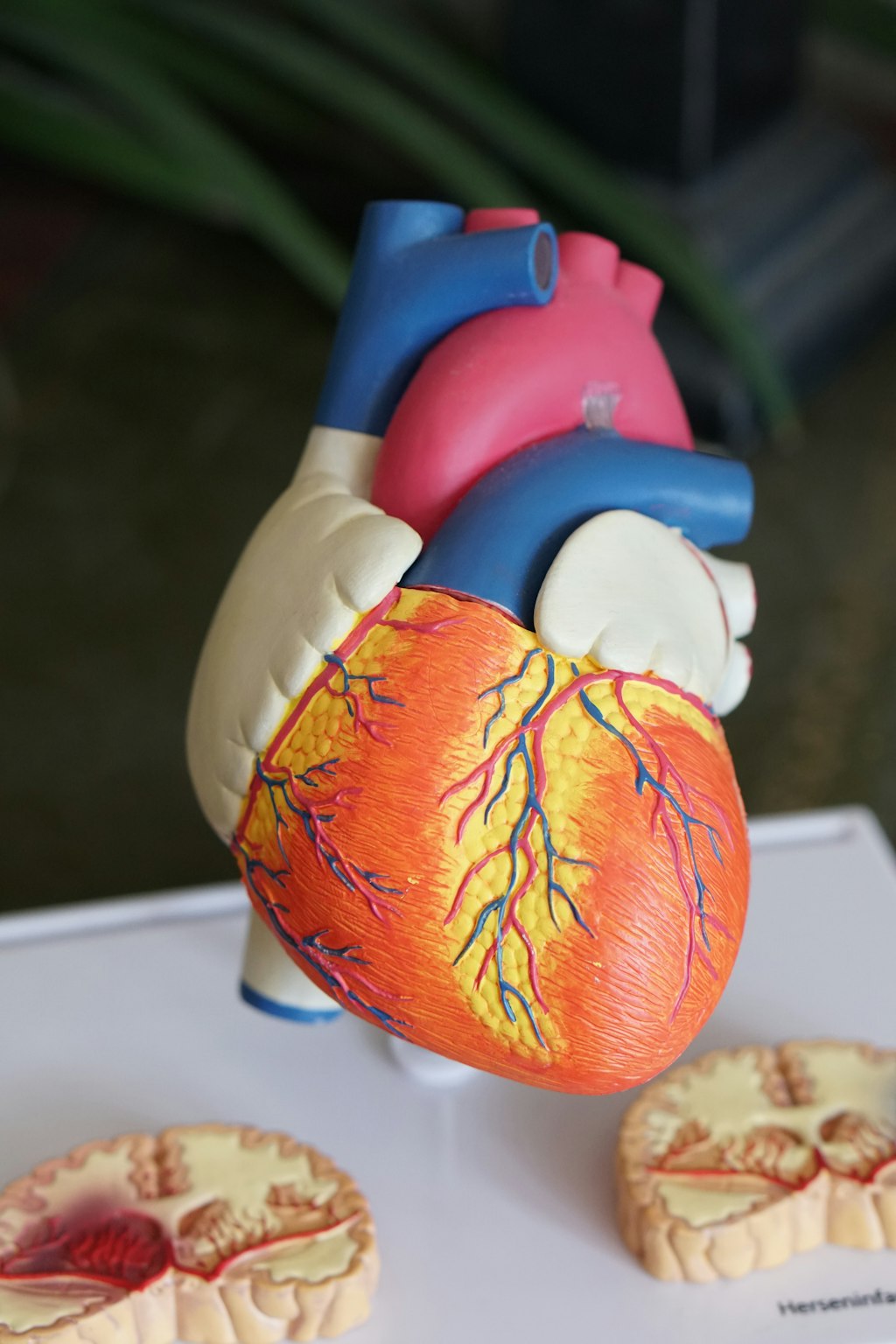
Cardiovascular risk from obesity isn't just about total cholesterol — it's driven by a specific pattern of atherogenic dyslipidemia, chronic inflammation, and endothelial dysfunction that standard lipid panels often miss.
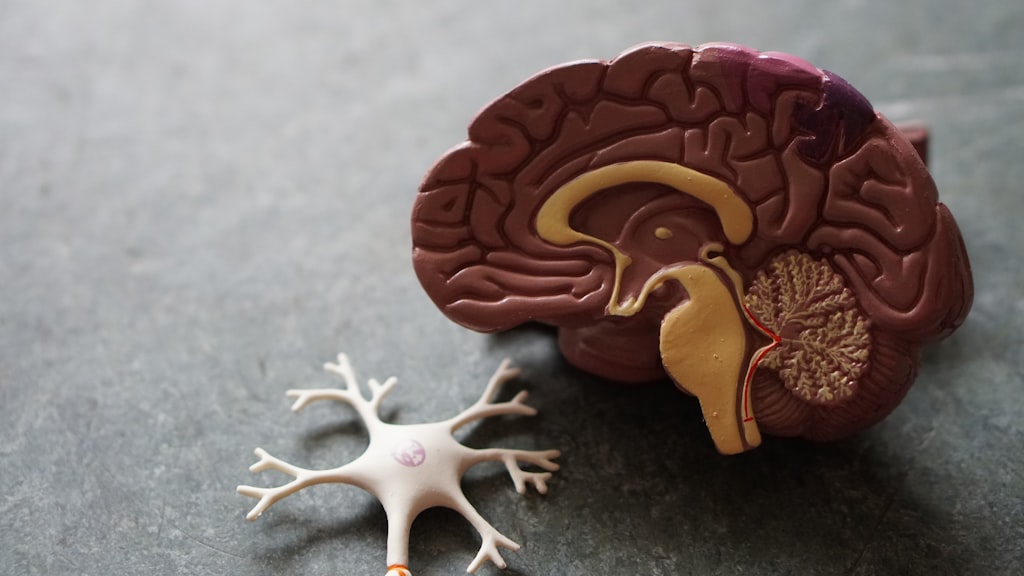
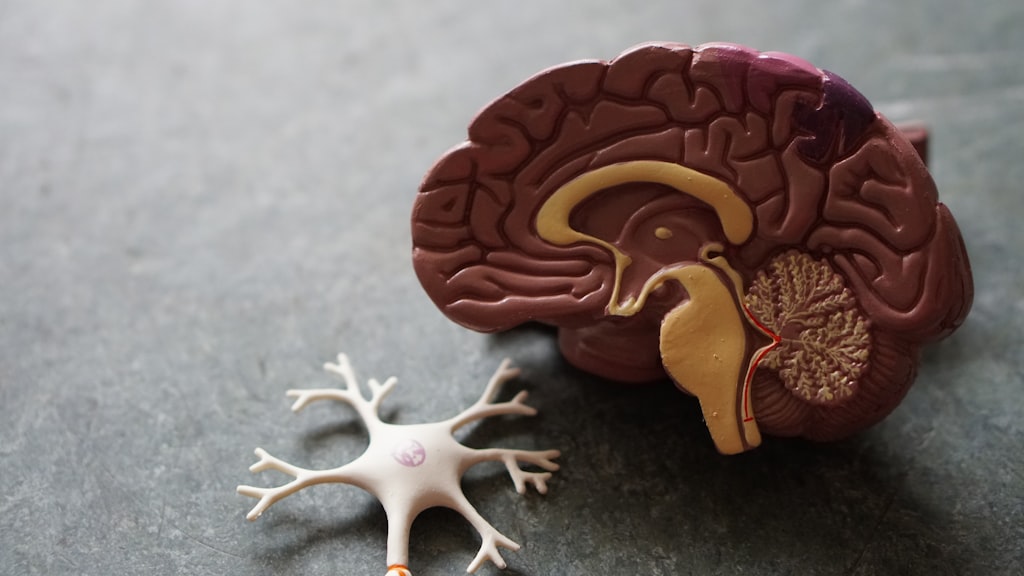
Growing evidence links Alzheimer's disease to insulin resistance in the brain — some researchers now call it type 3 diabetes. This article explains the mechanism connecting chronic blood sugar dysregulation to neurodegeneration.
The WHO has officially classified 13 cancer types as causally linked to excess body fat, including breast, colorectal, liver, and endometrial cancers. This article explains the mechanisms connecting obesity to cancer risk and what this means for prevention.
Non-alcoholic fatty liver disease (NAFLD) affects over 30% of adults globally and is driven by the same metabolic dysfunction behind metabolic syndrome. This article explains the mechanism, the bidirectional relationship, and what dietary changes address both conditions simultaneously.
An underactive thyroid slows every metabolic process in the body — from resting metabolic rate to gut motility. This article explains how hypothyroidism impairs fat loss, what symptoms to watch for, and how dietary support fits alongside medical management.
Obesity and chronic inflammation drive each other in a self-reinforcing cycle. Fat tissue secretes inflammatory cytokines; inflammation worsens insulin resistance; insulin resistance promotes more fat storage. This article explains how to break the cycle.
Sustainable fat loss requires more than a meal plan — it requires shifting the cognitive patterns that drive repeated failure. This article identifies 3 specific mindset changes that distinguish people who succeed long-term from those who cycle through diets indefinitely.
Long-term gut health isn't maintained by probiotics alone. It requires three interconnected pillars: consistent daily routine that supports circadian microbiome rhythm, a fiber-rich diet that feeds beneficial bacteria, and stress management that prevents cortisol from disrupting gut barrier integrity.
Most people think fat is burned off as heat or converted to muscle. The actual science is different: the majority of fat leaves your body as carbon dioxide through your lungs. This article explains the biochemistry of fat metabolism.