Body weight fluctuates by 1–3 kg daily based on water, glycogen, and gut contents — none of which are fat. This article explains why scale weight is a poor measure of progress and what to track instead for meaningful fat loss results.
Taiwan's obesity rate has reached 50% by some metabolic measures, yet many people appear lean by BMI standards. This article explains why BMI underestimates metabolic risk in East Asian populations and what indicators actually matter.
Chronic stress drives weight gain through cortisol — a hormone that actively promotes visceral fat deposition, suppresses fat burning, and worsens insulin sensitivity. This article explains the mechanism and what you can do about it.
Sleeping less than 7 hours a night measurably disrupts ghrelin, leptin, cortisol, and growth hormone — the four key hormones controlling appetite and fat metabolism. This article explains exactly how sleep deprivation blocks fat loss.
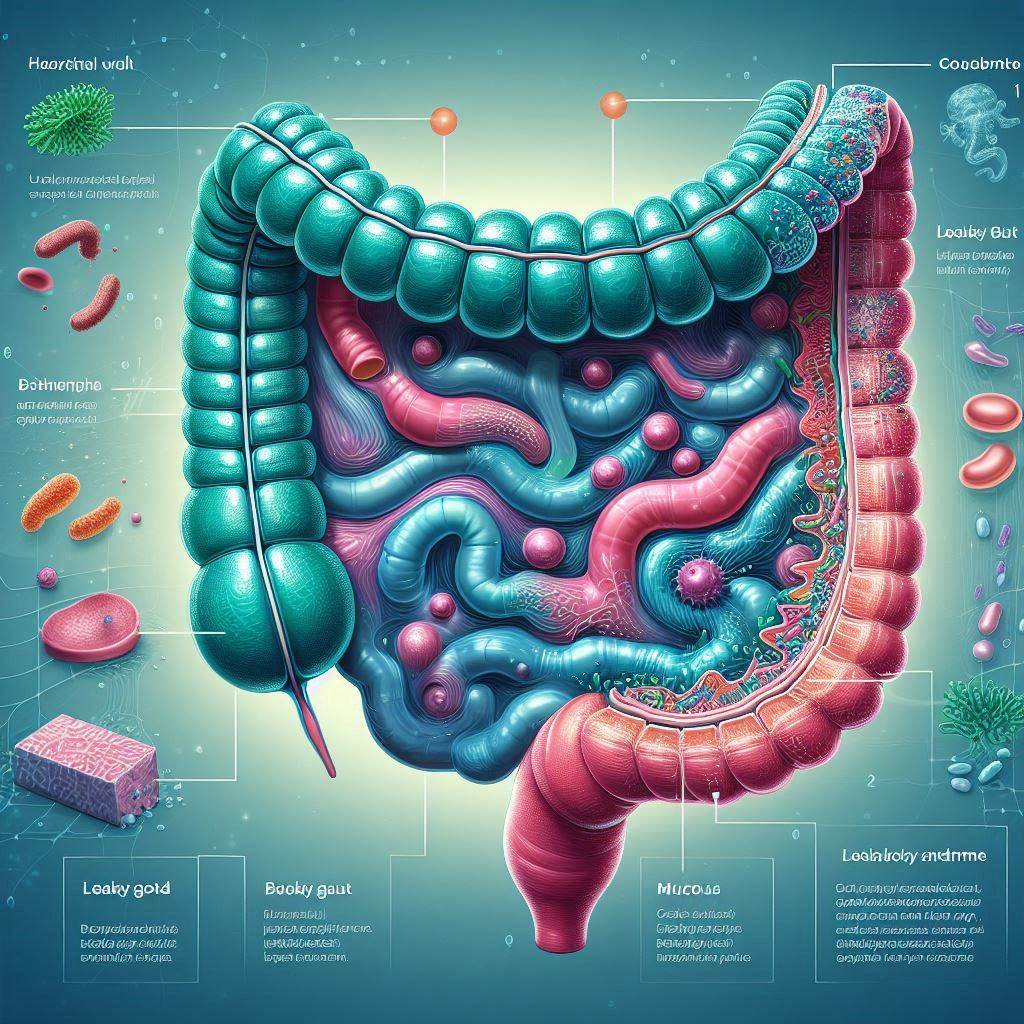
The gut barrier is a single-cell-thick wall separating your bloodstream from trillions of bacteria. When it breaks down, bacterial toxins enter the body and trigger the systemic inflammation behind five major chronic diseases.
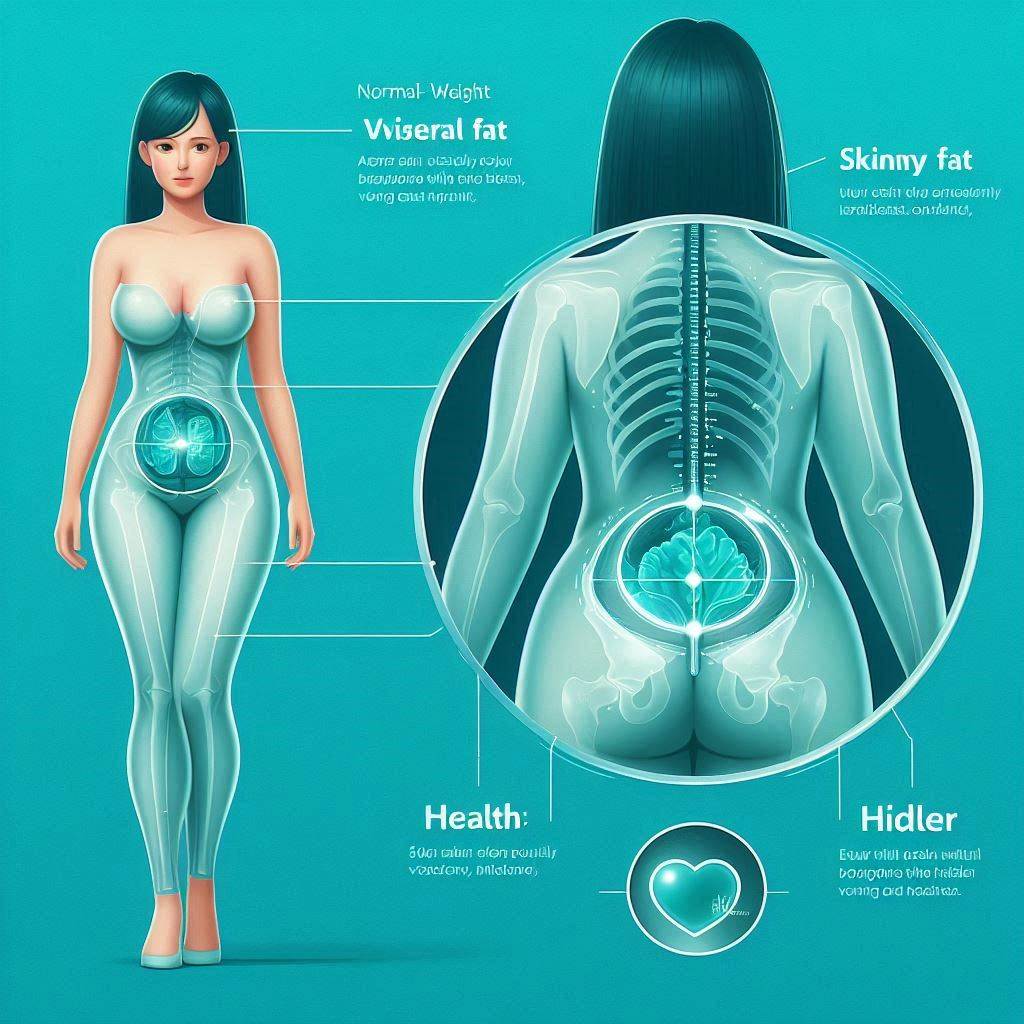
Your BMI can be completely normal while your metabolic health is silently deteriorating. This article covers 4 warning signs of hidden obesity — a condition where excess visceral fat drives metabolic risk without showing up on the scale.
Insulin resistance affects an estimated 88% of American adults to some degree, yet most people don't know they have it. This article explains what it is, how it develops, the signs to watch for, and what dietary changes can address the root cause.
Butyrate is a short-chain fatty acid produced when gut bacteria ferment dietary fiber. This article explains 5 evidence-based benefits of butyrate — from strengthening the gut barrier to reducing inflammation and supporting metabolic health.